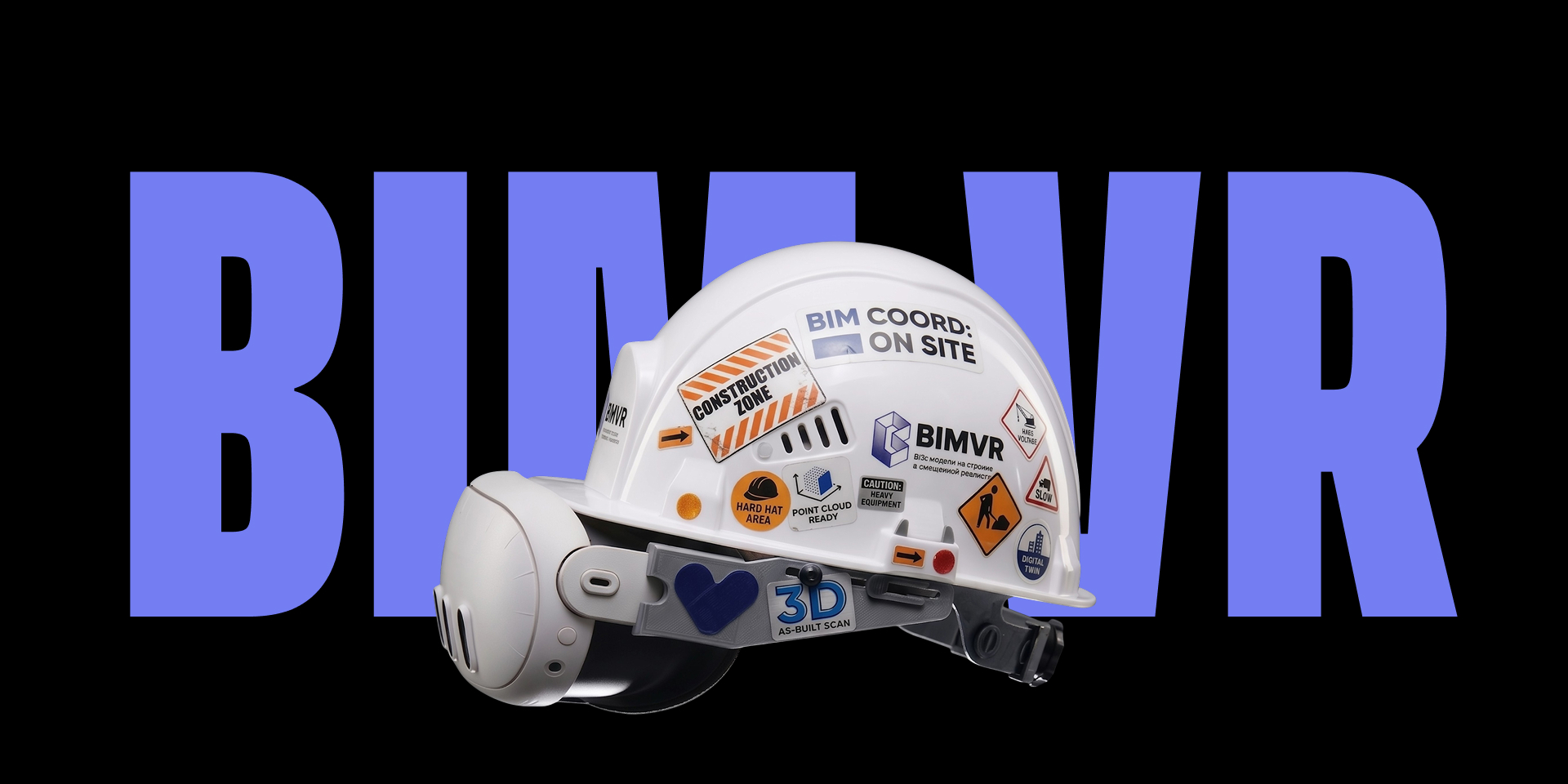
BIM VR
XR Platform for Working with BIM Models in Virtual Reality
Art Director, Product Designer
JetStyle, 2023 - 2025
Problem
1
Working with BIM models requires constant alignment between engineers, designers, installers, and clients. Mistakes made during the design and approval stages often lead to costly changes during construction.
Traditional tools are poorly suited for discussing complex spatial solutions:
- 2D screens fail to convey scale and spatial relationships
- Non-technical stakeholders struggle to “read” engineering models
- The high cost of errors increases the demand for precision in communication
- Remote collaboration amplifies the gap between project participants
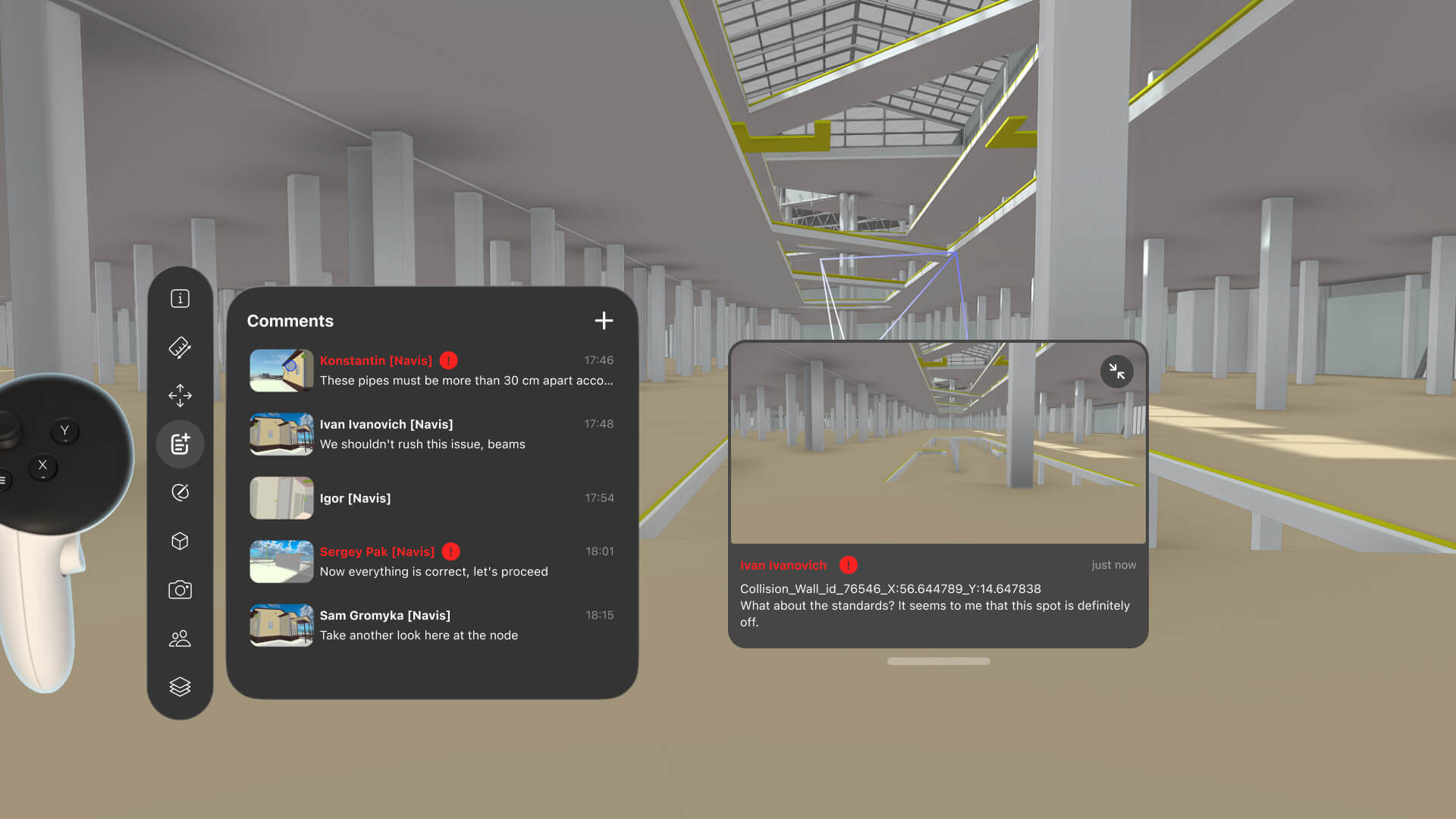
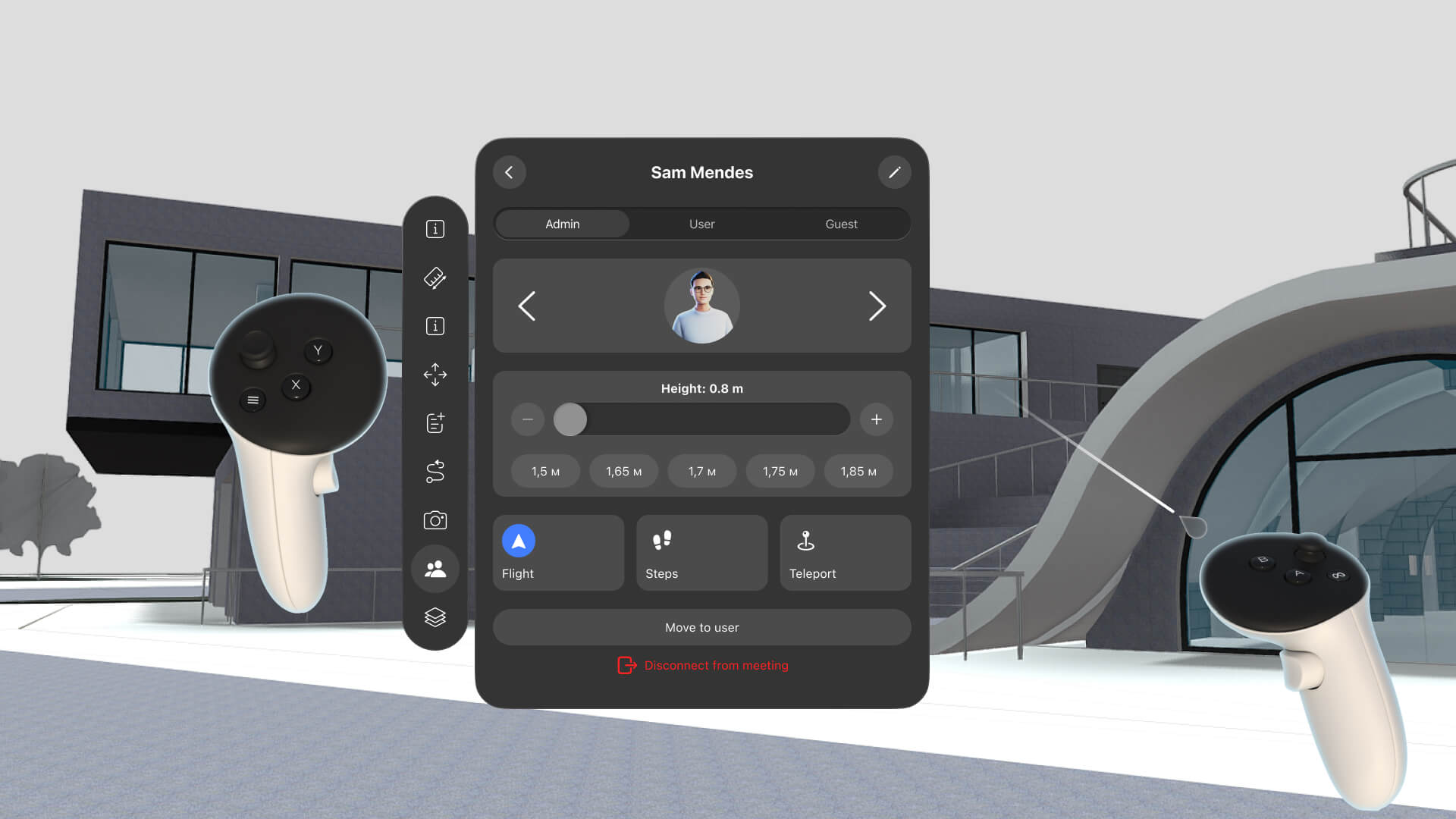
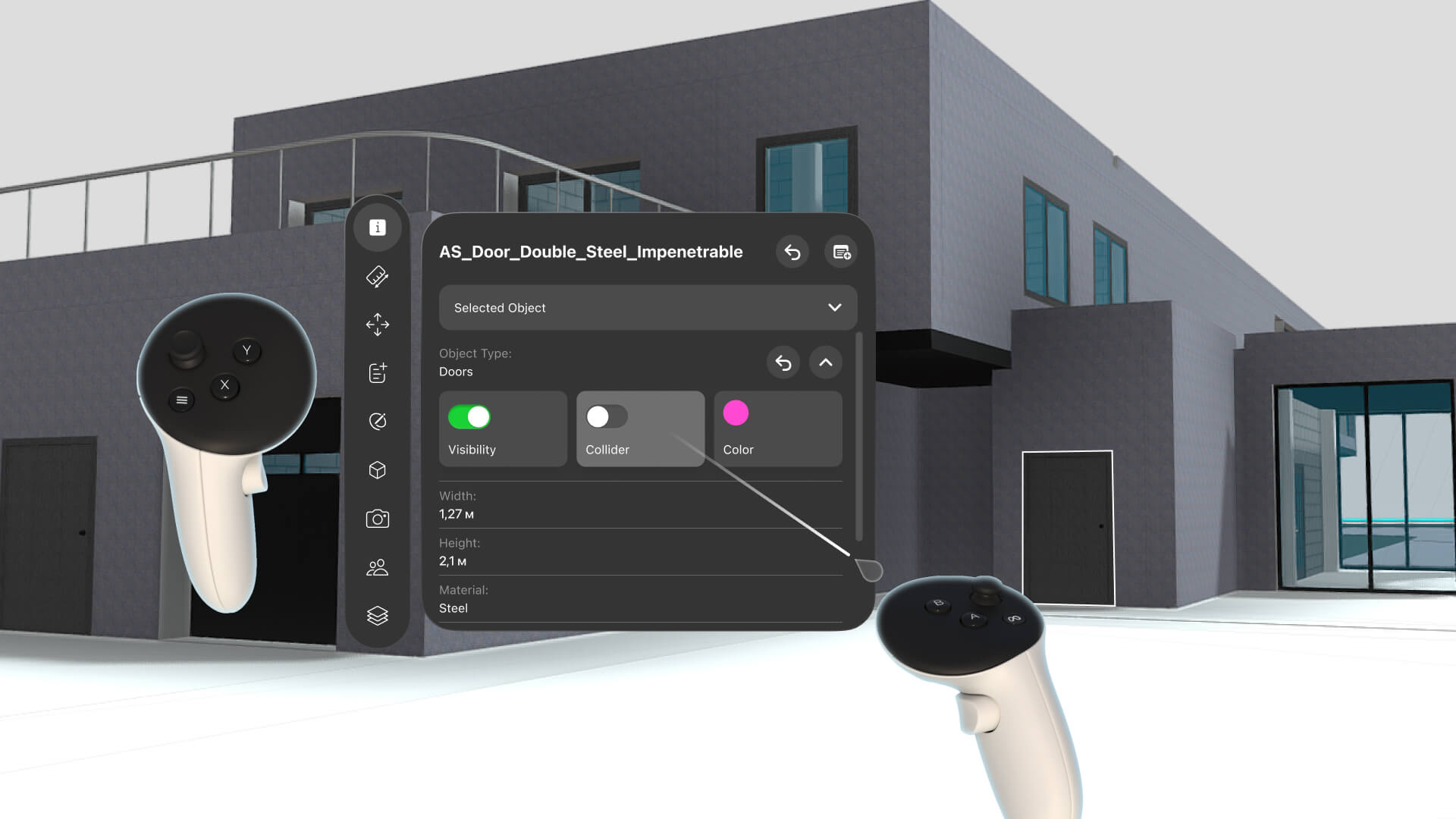
The challenge was to create an XR environment that would allow teams to clearly discuss, validate, and iterate on BIM projects, perform measurements, and present solutions in a format understandable to a professional audience.
Goal
2
To build a high-performance XR product for collaborative work with BIM models that:
- relies on familiar professional and engineering workflows
- supports remote and asynchronous collaboration
- scales both technically and functionally
- can be used for internal work as well as B2B presentations and presales
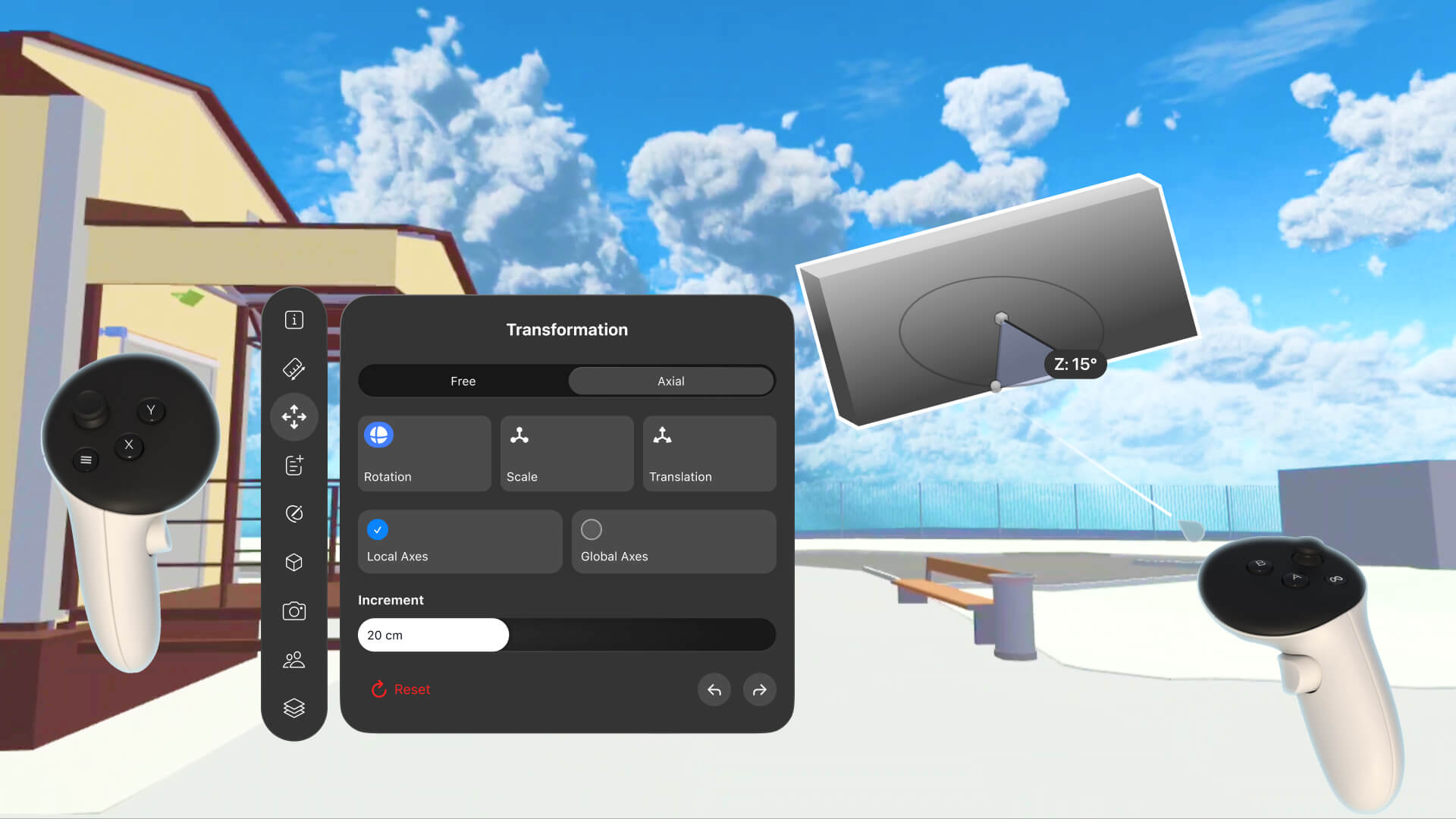
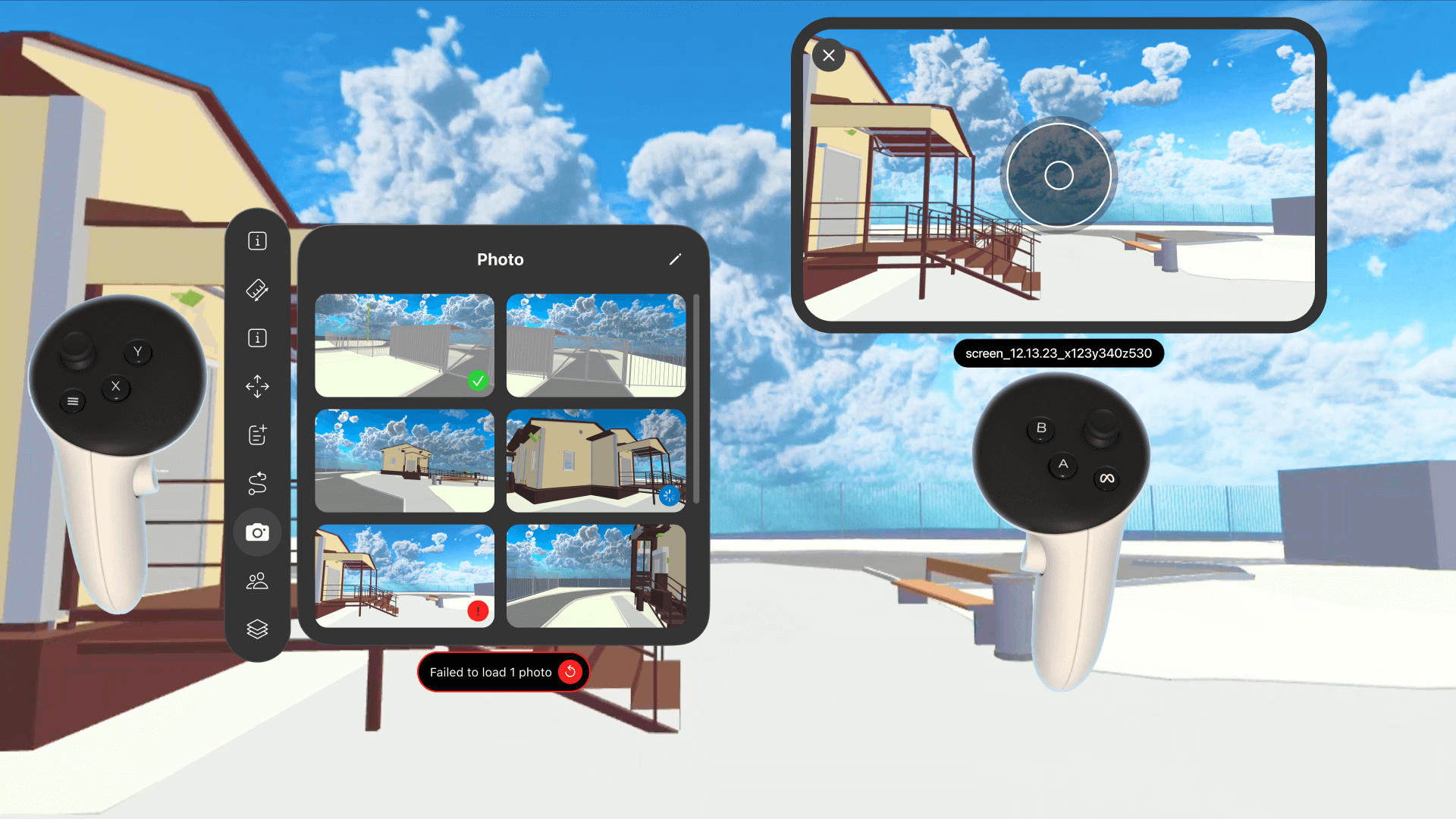
Research & Insights
3
Due to the lack of direct XR analogs, we could not rely on established patterns.
Our research was based on indirect references from adjacent domains:
- real-world measurement tools (laser distance meters, tape measures)
- UX patterns from CAD and engineering software
- existing XR interfaces focused on readability and minimalism
- Vision UI principles, where the interface acts as a tool rather than a visual attraction
A key insight was that the XR interface needed to feel like a professional instrument, not an experimental VR experience.
Art Direction & Process
4
As an art director, I was responsible for aligning design, development, and business goals throughout the product lifecycle.
Working with a team of 2–3 designers, we:
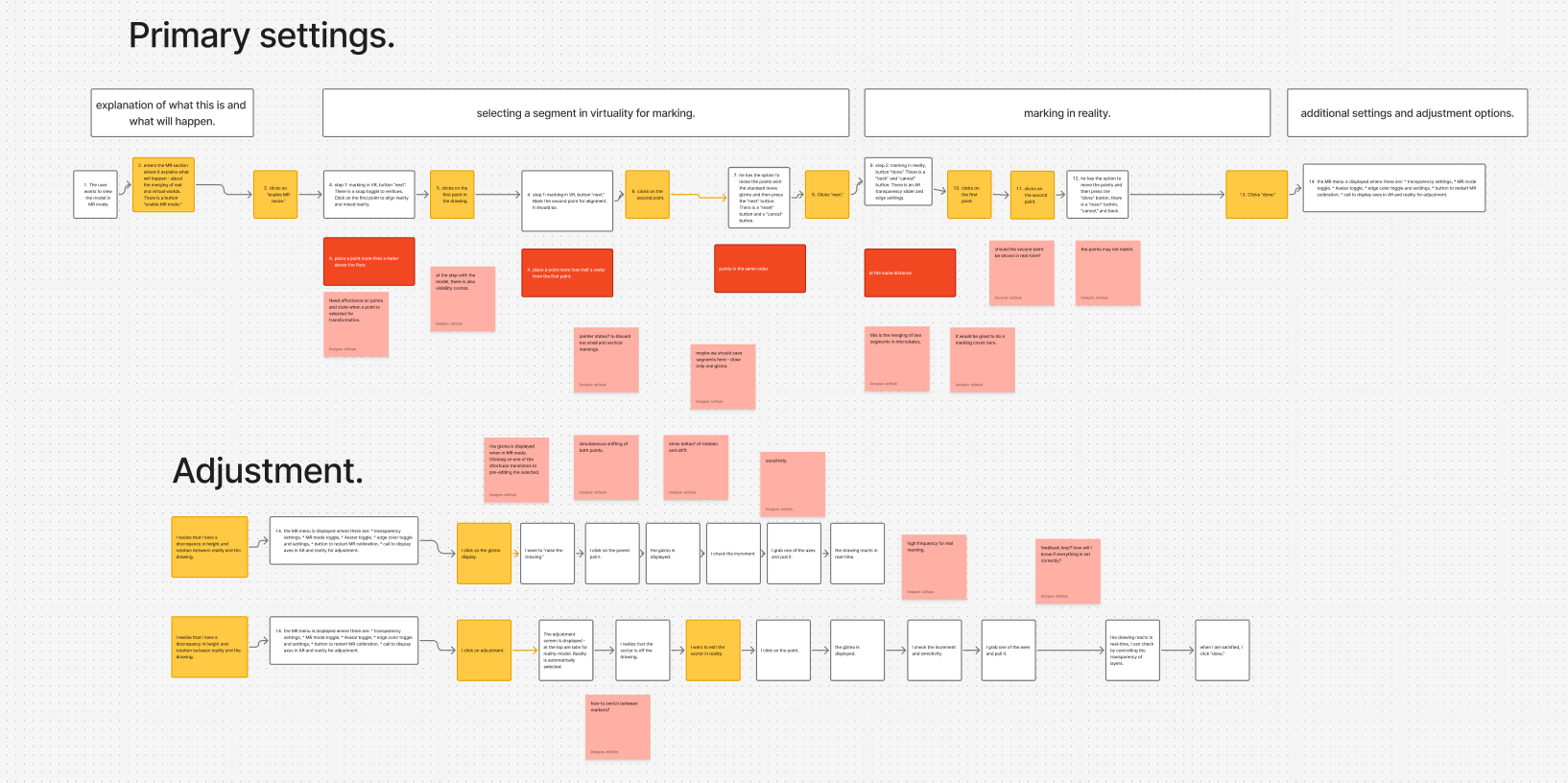
- designed user flows and logical interaction schemes
- created wireframes and interactive XR prototypes
- conducted hallway testing and client interviews
- discussed design decisions with developers at early stages
This process allowed us to:
- account for technical constraints early on
- avoid unrealistic concepts
- reduce development costs
- reach a stable product faster
Result
5
- an XR product built from scratch in-house
- a complete system for BIM model visualization and interaction
- product released in stores
- first B2B clients acquired
- validation of the design and product strategy
Personal Impact
6
This project became a full-cycle in-house experience of building a complex XR product.
I was responsible for art direction, product-level decisions, collaboration with business and engineering teams, visual details, and the overall user experience.
This case demonstrated how systematic design, technological pragmatism, and close collaboration with developers and users enable the creation of viable B2B products in complex XR environments.